A flat tire in Arizona rarely happens at a convenient time. It shows up on a hot afternoon in Mesa, on a dark stretch of Loop 202, or in a grocery store parking lot when your phone battery is already low. The tire itself is only part of the problem. Heat, traffic, road shoulders, construction debris, and long driving distances all change what the smartest next step should be.
I have seen plenty of drivers make the same mistake for opposite reasons. One group assumes every flat can be patched in ten minutes. The other group panics and calls for a tow when the tire only needed air and a plug. The right decision usually comes down to three things: where the damage is, how bad it is, and whether the car can be moved safely without making the situation worse.
Arizona adds a few extra wrinkles. Summer pavement temperatures can be brutal. A tire that looked merely low in the morning can be shredded by midafternoon if driven too far. Older tires fail faster in desert heat, even if the tread still looks decent. And on fast roads around the Valley, the risk from passing traffic can be greater than the tire problem itself.
If you are deciding between a repair, a replacement, or a tow, the goal is simple. Protect the wheel, protect the vehicle, and protect yourself first.
What to do before you think about the tire
The first judgment call is not about rubber, it is about location. If you are on a narrow shoulder, near a blind curve, or close to freeway traffic moving at 65 to 75 mph, do not spend extra time inspecting the tire unless you can do so safely. Arizona roads can be unforgiving, and standing next to traffic with your back turned is not worth the risk.
If the vehicle is still drivable for a very short distance without destroying the tire, it is often better to creep to a safer area than stop in a dangerous one. That does not mean driving miles on a flat. It means getting off the live lane, off the bridge, or away from a tight shoulder if you can do it immediately and slowly.
Here is the short version of what matters in the first few minutes:
- Turn on your hazard lights and move as far from traffic as possible. Stay inside the vehicle if the roadside feels unsafe, especially on a freeway shoulder. Look for obvious sidewall damage, a torn tire, or a wheel sitting low enough to suggest rim contact. Do not keep driving just to “make it home” if the tire is fully flat. Call for flat tire assistance or emergency roadside assistance if changing the tire would put you in danger.
That last point is where many drivers search for “roadside assistance near me” or “emergency roadside assistance near me” and hope the nearest provider can sort it out quickly. In Gilbert, Mesa, Chandler, and Phoenix, speed matters, but so does sending the right kind of help. A flat with a good spare needs one response. A blowout with no spare needs another. A damaged wheel may require a tow, not just mobile roadside assistance.
Arizona flats are not all the same
People tend to use “flat tire” as a catchall, but from a service standpoint there are several different problems hiding under that label.
A slow leak from a nail in the tread is the easiest scenario. In many cases, that tire can be repaired if the puncture is in the correct area and the tire has not been driven too long while underinflated. A rapid air loss after hitting road debris is less predictable. The tire may have one puncture, several punctures, or internal damage you cannot see from outside. Then there is the full blowout, where the sidewall tears or the tread separates. At that point, repair is usually off the table.
Heat changes how quickly things deteriorate. A tire that loses pressure slowly in January can fail dramatically in July. Arizona roads also have more debris than many drivers expect. I have seen screws near job sites, sharp metal on freeway shoulders, and broken concrete edges in construction zones do a lot more damage than a simple nail in a parking lot.
Another factor is how far the tire was driven while low. This is one of the biggest hidden issues. Drivers often notice the warning light, assume they can get another few miles, and then arrive with the sidewall already compromised. Once a tire has been driven while seriously underinflated, the internal structure can be weakened even if the puncture itself looks minor. A plug alone is not a magic fix for that.
When a tire can usually be repaired
A repair makes sense when the puncture is small, the damage is in the tread area, and the tire has enough life left to justify fixing it. That is the cleanest case for what people often search as “flat tire repair near me.” The key phrase there is “repair,” not “temporary inflation” or “limp it to the next exit.”
A proper repair is not just pushing a plug into the hole from the outside and calling it done. In a shop setting, the preferred method is typically an internal patch or a patch-plug combination after the tire is removed and inspected. That inspection matters because it reveals whether the inside liner is damaged, whether the sidewall has been pinched, and whether the puncture angle is repairable.
In the field, mobile roadside assistance may be able to install a spare, inflate the tire, or use a temporary repair method depending on the situation. That can get you moving, but it is not always the final answer. If the damage is borderline or the tire was driven while flat, a follow-up inspection is the responsible move.
A repair is often reasonable if the hole is small and located in the central tread area. It is much less reasonable if the tire has multiple punctures close together, exposed cords, or irregular wear that already made the tire a poor candidate. A ten-dollar fix on a tire that should have been replaced a month ago is rarely a good value.
When replacement is the smarter answer
There is a point where trying to save the tire becomes false economy. If the sidewall is cut, bulging, or shredded, replace it. If the tread has separated or the tire has been driven flat long enough to damage the structure, replace it. If the tread depth is already near the end of its useful life, replace it. On a hot Arizona road, you do not want to gamble on a weakened tire because it held air for one afternoon.
The same goes for age. Even tires with decent tread can harden and become more failure-prone after years of heat cycles. If a flat reveals cracking, dry rot, or brittle sidewalls, that tire may be telling you the truth about the rest of the set.
One thing drivers do not always consider is how replacement affects handling. If you replace one tire on an all-wheel-drive vehicle, the shop may need to check the difference in rolling circumference between the new tire and the others. On some vehicles, that matters more than people think. A cheap one-tire solution can become expensive if it stresses the drivetrain.
Here is a useful way to think about repair versus replacement:
- Repair is usually appropriate for a small puncture in the tread, with no sidewall damage and no evidence the tire was driven flat. Replacement is usually necessary for sidewall cuts, blowouts, cord exposure, severe shoulder damage, or internal heat damage. A tow is often the best option when the wheel may be bent, the tire has failed completely, or the car has no usable spare. If the tire is old, worn, or mismatched, replacement may be wiser even when a repair is technically possible. If you are not sure, treat the tire as unsafe until a technician can inspect it properly.
That last point is where experienced roadside providers can be a real help. Good flat tire assistance is not just about showing up fast. It is about recognizing when a temporary fix is acceptable and when it is reckless.
When towing is the safest call
Many drivers think towing is only for engine failures, but a bad tire situation can absolutely justify a tow. In fact, some of the most preventable wheel and suspension damage happens because a driver tries too hard to avoid towing.
If the tire has come apart, the rim may already be taking impact. Keep driving and you may damage the wheel, brake components, fender liner, or alignment. What started as a tire bill can turn into a much larger repair order.
Towing also makes sense when the vehicle does not have a spare. That is more common than it used to be. Many newer cars come with an inflator kit instead of a spare, and those kits are not useful for every kind of puncture. They are especially unhelpful in a blowout or sidewall failure. If you have no spare and the tire cannot safely hold air, your options narrow fast.
Then there is the human factor. If it is 112 degrees, your phone is at 8 percent, and you are on the shoulder of I-10 with kids in the car, the “best mechanical option” may not be the best practical option. Emergency breakdown service is partly about reducing risk under pressure. A tow to a tire shop or safe destination may be the smartest move, even if the tire might have been repairable under calmer conditions.
This is where terms like roadside assistance Phoenix and roadside assistance Gilbert AZ become more than search phrases. Geography matters. Response times can vary depending on traffic, time of day, and whether you are in a dense urban corridor or farther out toward less populated roads. A emergency roadside assistance provider with local coverage can often reach you faster and make a better judgment about whether to mount the spare, add air, or tow.
The spare tire question most drivers forget
A spare is only helpful if it is usable. I cannot count how many people discover their spare is flat, missing the jack, or buried under cargo they cannot easily unload on the roadside. Before any trip across the Valley or beyond it, it is worth checking whether the spare actually has pressure and whether the tools are present.
Temporary spares also have limitations. They are not built for normal highway driving over long distances. They usually carry lower speed ratings and shorter distance recommendations. In Arizona heat, that matters. A compact spare is a short-term bridge to a repair facility, not a week-long substitute for a real tire.
If roadside assistance installs your spare, ask how far and how fast you should drive on it. A careful driver on a donut spare can usually make it to a tire shop safely. A driver who treats it like a full-size replacement may create a second roadside call before the day is over.
Why some “quick fixes” backfire
Tire sealant has its place, but it is often misunderstood. It may help with a very small tread puncture. It does not fix sidewall damage, large holes, bead leaks, or torn tires. It can also complicate later tire service if the tire shop has to clean out the sealant before inspection or repair.
External plugs are another mixed bag. They can work as a temporary measure in some tread punctures, but they do not replace a full internal inspection. If the tire has internal sidewall damage from being driven low, an external plug can give a false sense of security. The tire may hold air until it heats up on the freeway, then fail at the worst possible moment.
I have also seen drivers overinflate a low tire just to stop the warning light and buy time. That is not a repair. If the tire is losing air fast enough that you are checking it every few miles, you are already past the point where wishful thinking is a strategy.
The hidden costs of driving on a flat
Most people focus on the price of a new tire, but the tire itself may be the cheapest part of a bad decision. Driving on a flat can damage the wheel. A bent alloy rim is not cheap. It can also affect the tire pressure sensor, especially if the wheel takes a hit or the tire comes apart. Add a tow later, a new tire, a replacement sensor, and possibly an alignment, and the total climbs quickly.
There is also the safety cost. A failing tire changes braking distance, steering feel, and stability. On Arizona freeways, where speeds are high and traffic spacing is often tight, those changes matter. A vehicle that pulls hard to one side or rides on a collapsing tire is harder to control in a lane change or sudden stop.
That is why calling for mobile roadside assistance early is often the cheaper move, not the more expensive one. The sooner the problem is contained, the fewer secondary repairs it tends to create.
Flat tire help often overlaps with other roadside problems
Roadside calls are rarely tidy. A tire issue may be the main reason you stopped, but other problems show up fast. Hazard lights drain a weak battery. A long wait in the heat can turn into a dead car, which is why providers that also offer a jump start service near me or car jump start service can be useful if the battery gives out during the delay.
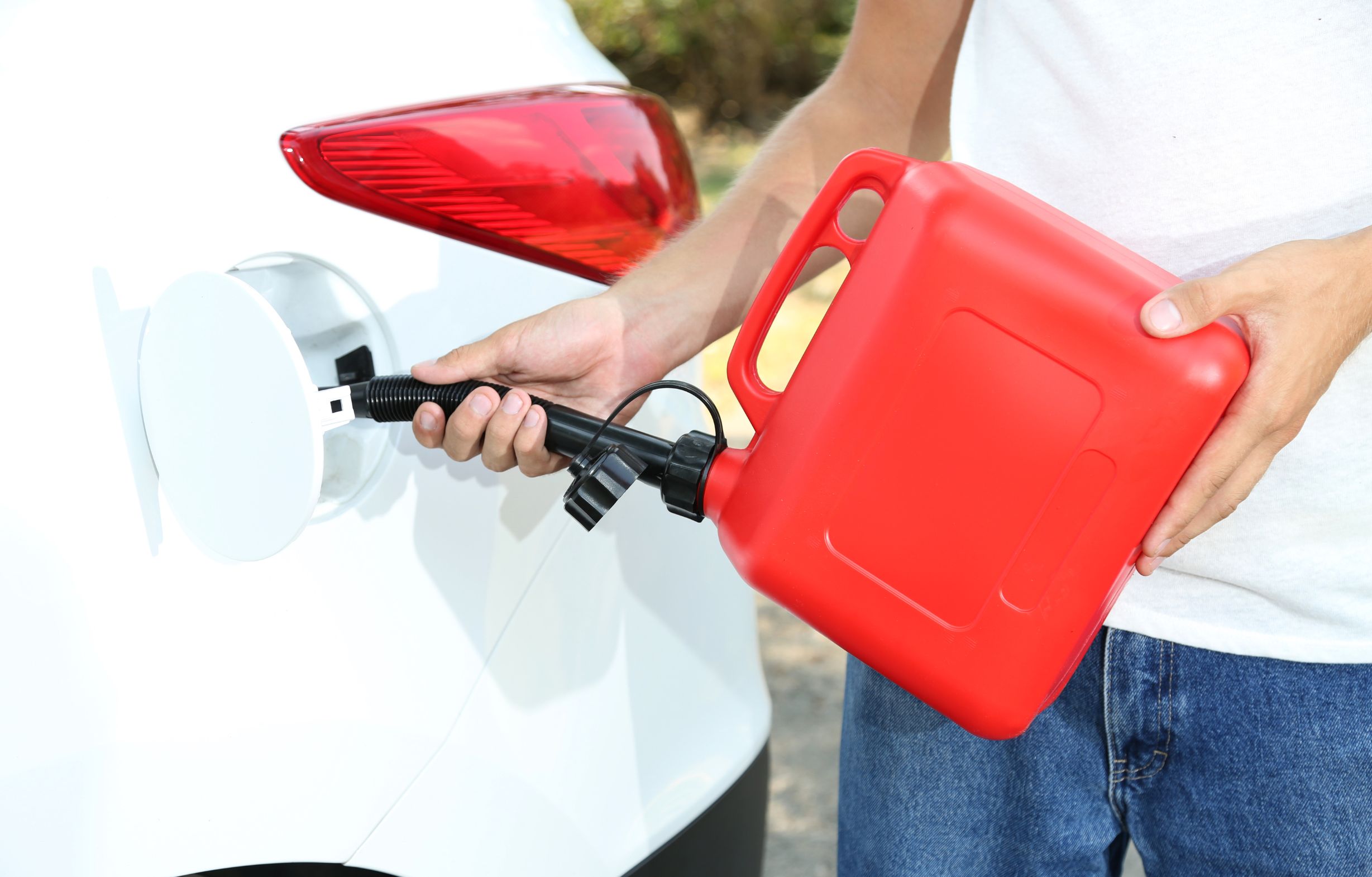
The same thing happens with fuel. Drivers exit the freeway to deal with a tire, then realize they were already low on gas and cannot make it to a station once the spare is on. In those cases, fuel delivery near me or emergency fuel delivery becomes part of the same roadside event.
Lockouts are another common complication. It sounds unlikely until you have seen it a few times. Someone unloads the trunk to reach the spare, tosses the keys down for a second, and the car auto-locks. Suddenly a tire call becomes a car lockout service near me search, or a vehicle lockout service request layered onto the original problem.
The best emergency roadside assistance providers understand that breakdowns do not always stay in one category. They arrive prepared for the most likely second problem, not just the one the caller mentions first.
How to describe your situation when you call
The quality of help you get often depends on the quality of information you provide. “I have a flat” is a start, but it does not tell the dispatcher whether you need a spare mounted, air added, a tow truck, or traffic-side support on a dangerous shoulder.
A better call includes your exact location, whether you are off the roadway, whether you have a spare, whether the tire is completely flat or just low, and whether the wheel or tire looks visibly damaged. If you hit something, say so. If you heard a loud bang and the car dropped suddenly, say that too. That points more toward blowout or wheel damage than a simple puncture.
If you are searching online while stressed, terms like emergency roadside assistance near me or roadside assistance Phoenix may get you options quickly, but choose a provider that asks the right questions. The calm, competent dispatcher who wants details is usually a better sign than the one who promises a miracle in thirty seconds and gathers no real information.
Arizona-specific judgment calls that matter
Desert conditions punish indecision. If you are stranded in direct sun, your body may become the more urgent issue than the tire. Heat illness can arrive faster than people expect, especially if they step out to change the tire in blacktop heat with no shade. If you feel dizzy, nauseated, or shaky, stop focusing on the tire and focus on getting help.
Monsoon season creates a different set of hazards. A flat in standing water or near a flooded shoulder turns a routine roadside stop into something more dangerous. Wet pavement, reduced visibility, and soft shoulders all increase the risk. In those moments, a tow is often the sensible choice.
Road construction is another local reality. Nails, screws, and scrap metal near new developments and freeway projects are common tire killers in fast-growing parts of the Valley. If you pick up one puncture and the tire suddenly starts losing air again after a “repair,” there may have been more than one object involved. That is one reason a full inspection matters.
A practical standard for deciding
If the damage is small, in the tread, and the tire was not driven flat, repair is usually on the table. If the sidewall is involved, the tire came apart, or the wheel may be damaged, replace or tow. If you are on an unsafe shoulder, skip the roadside heroics and get professional help.
That is the real standard, not whether you can physically change a tire, not whether your neighbor once plugged a tire in his driveway, and not whether the warning light turned off after adding air. The right move is the one that keeps the vehicle safe without gambling on damage you cannot see.
For Arizona drivers, flat tire assistance is not just about convenience. It is about judgment in harsh conditions. Sometimes the best result is a quick repair and a ten-minute delay. Sometimes it is a replacement before the next heat cycle turns a weak tire into a hazard. And sometimes the smartest move is a tow, because preserving the wheel, the car, and your safety is worth far more than squeezing out a few extra miles.
If you remember one thing, let it be this: a flat tire is rarely improved by denial. The sooner you assess it honestly and get the right kind of help, the better the outcome tends to be.
Our Sponsor
EZ3 Roadside Rescue Services
EZ3 Roadside Rescue Services is a Gilbert-based roadside assistance provider serving drivers throughout Gilbert and the greater Phoenix, Arizona area. The company provides fast, professional roadside assistance for common vehicle emergencies, including flat tire repair and tire changes, battery jump starts, emergency fuel delivery, vehicle lockout assistance, lug nut removal, battery replacement, and emergency breakdown assistance. EZ3 Roadside Rescue Services is available 24/7 to help stranded motorists get safely back on the road.
Address:
922 N Colorado St,
Gilbert,
AZ
85233,
United States
Phone: (480) 710-5902
Business Hours:
- Open 24/7 — Emergency Roadside Assistance Available
Follow Us: